
How The Manosphere Poisons Young Men’s Minds
Many young men are taught that unless they become rich, dominant, and desired, they are nothing. The manosphere does not heal that wound. It monetizes it, deepens it, and turns ordinary rejection into bitterness, paranoia, and despair.

The Borrowed Messiah
Islam says it honors Jesus, but the kind of Jesus it keeps is already limited. He is preserved as prophet, miracle-worker, and messiah, yet stripped of the divinity, crucifixion, and central authority that made him Christ in Christianity. My argument is simple: Islam could not ignore Jesus, so it absorbed him under conditions of subordination.
Why Stability Comes Before Meaning
The miracle may not be exceptionalism, but actually stability. It may seem dull and unglamorous to others, but it gives a real chance and hope. A lot of people want meaning before stability and feeling special before consistency, but that is not how life usually works.
Why I Left Islam
I did not leave Islam because I wanted to sin, rebel, or become “Western.” I left because it stopped making intellectual, moral, and personal sense to me. For a long time, Islam gave me structure, seriousness, and inherited identity. But over time I realized that structure is not the same thing as truth, and identity is not the same thing as belonging.
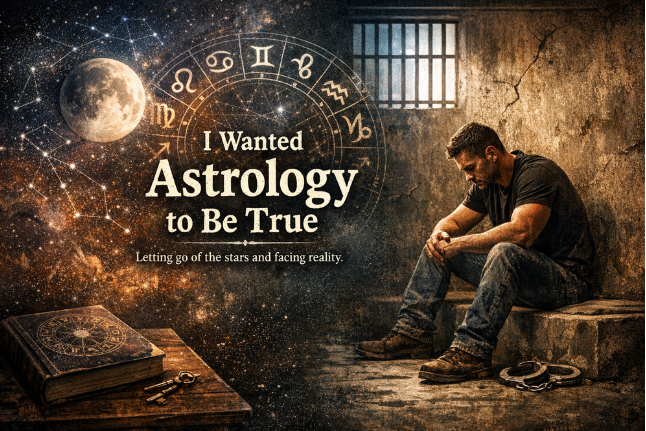
I Wanted Astrology to Be True
What made astrology powerful for me was not just that it felt accurate. It was that it made me feel significant. This essay is about the seduction of cosmic explanation, the psychological cost of living through a chart, and why I would rather build a life than inherit one from the stars.
Why No One Is Winning the Gender Wars
In the online gender wars, men often bear more of the visible humiliation while women often occupy the position of judgment, distance, and social leverage. That asymmetry can make women appear to be winning, but what these spaces really produce is not understanding, healing, or clarity. It is mutual distortion.
The Market of Masks
Modern dating often feels like a mirage built on performance. People curate masks and present them like products. Most interactions start to feel like choosing a costume instead of meeting the person underneath. Identity shifts toward what gets likes, matches, and approval, and the real self gets pushed aside. Stepping away from that system helped me understand what I actually value. I prefer honesty, presence, and emotional awareness over the fast and curated nature of digital connection. This essay is my reflection on how masks shape our interactions and why authenticity still matters.
The Body as Symbol: How Fitness Shapes the Mind and Reflects the Self
Working out grounds me. The physical effort clears my head and puts me in a better state for the rest of the day. The gym has become a daily temple where I train, listen to music, reset small social moments and reflect on whatever I am learning about psychology, archetypes and meaning. I show up five to six days a week, and that consistency has shaped how I see myself. Training has made me feel like a Warrior Poet type, someone who builds resilience through discipline and movement.
I also think about how the body becomes part of identity. Physique, tattoos and clothing are all forms of expression. At the gym or the park, I notice what people react to, especially when I wear bright racer tanks or compression shorts, which is uncommon in Seattle. I do not mind standing out. It lets me lean into the Athlete Artist side of myself and shows how physical training expresses identity as much as it builds it.